
Gynaecology and Women's Health in Semmancheri, OMR
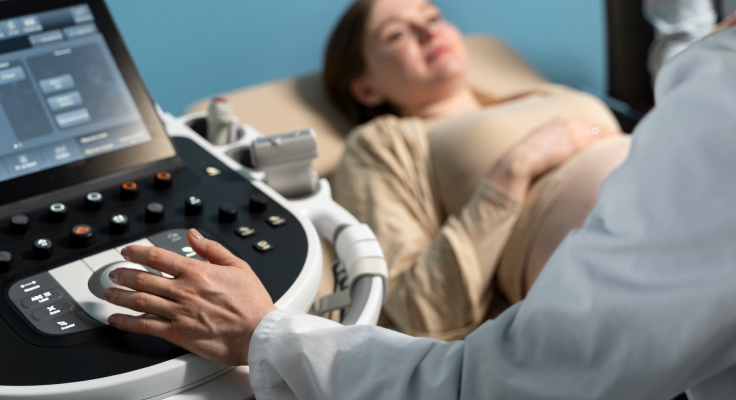
Gynecology Department
Our Treatment Department specializes in providing comprehensive and advanced medical care using the latest clinical techniques and cutting-edge technologies.
All Treatments
Cardiology Chest Pain Gastroenterology General Surgery Gynecology Infertility Neurology Obstetrics Pediatrics Physiotherapy Pulmonology Orthopedics & Spine surgeryConditions
-
Menstrual problems - irregular, absent, heavy or painful periods; bleeding between periods, after intercourse or after menopause
-
PCOS - irregular periods, weight gain, acne, excess hair growth or difficulty conceiving; also a long-term metabolic condition
-
Uterine fibroids - non-cancerous growths causing heavy bleeding, pelvic pressure or difficulty conceiving
-
Endometriosis and adenomyosis - severe period pain, pelvic pain and sometimes infertility
-
Ovarian cysts - often self-resolving, assessed by ultrasound where they persist or cause pain
-
Pelvic and vaginal infections - discharge, itching, odour, pelvic pain and fever
-
Urinary problems and prolapse - leakage, urgency, recurrent infections
-
Menopause and perimenopause - hot flushes, disturbed sleep, mood changes, vaginal dryness
-
Cervical and breast health - screening, evaluation of abnormal findings and HPV vaccination
-
Contraception - counselling on methods, including intrauterine devices and implants
Treatments & Procedures
We offer a full range of gynecological treatments, from routine preventive care to advanced minimally invasive surgeries for complex women's health issues. Our specialists are dedicated to providing compassionate, comprehensive care tailored to every stage of a woman's life.
-
Consultation and evaluation
History, examination, pelvic ultrasound, hormonal blood tests and cervical screening where indicated.
-
Medical management
Hormonal and non-hormonal treatment for menstrual disorders, PCOS, endometriosis and menopausal symptoms. Most problems are managed without surgery.
-
Laparoscopic (keyhole) surgery
Small incisions for ovarian cysts, fibroids, endometriosis and ectopic pregnancy, with less pain and quicker recovery than open surgery.
-
Hysteroscopy
Inspection of the inside of the womb through the cervix, used to investigate abnormal bleeding and to remove polyps or small fibroids.
-
Hysterectomy and myomectomy
Removal of the uterus when other treatments have not worked or removal of fibroids while preserving the uterus where future pregnancy is planned. Alternatives should always be discussed first.
-
Cervical procedures
Colposcopy and treatment of abnormal cervical changes detected on screening.
When Should You See a Gynaecologist?
Many women delay a consultation because a symptom seems minor or the appointment feels awkward. Several conditions are far easier to treat early.
Book a consultation if you have: periods that are irregular, absent or have changed; bleeding heavy enough to soak through protection hourly or to pass large clots; period pain that stops you working; bleeding between periods, after intercourse or after menopause; persistent pelvic pain; unusual discharge; pain during intercourse; difficulty conceiving after 12 months (or 6 months if over 35); urinary leakage; menopausal symptoms affecting daily life or no cervical screening in the last 3 to 5 years.
Come to Emergency for severe sudden pelvic pain, heavy bleeding with dizziness, high fever with pelvic pain or any bleeding during pregnancy.
Consultations are private, examinations are conducted with a chaperone present and your records are confidential. See our gynaecology consultant, related fertility care and pregnancy and maternity care.
Frequently asked questions
In an emergency? Need help now?
Our emergency team is available around the clock to provide immediate medical attention for critical conditions. Call us or visit Astra Speciality Hospital for urgent care.
Make an Appointment